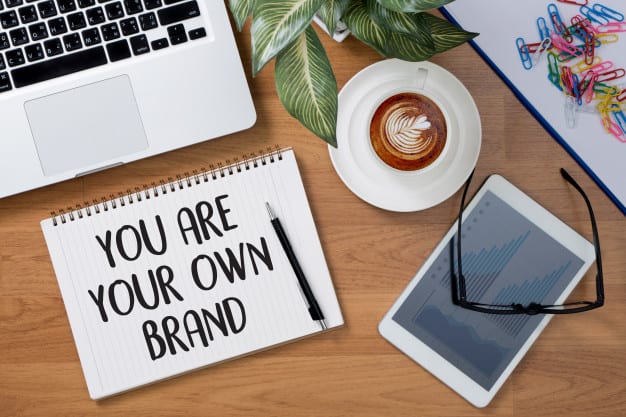
In 2026, your personal brand is the work your reputation does when you are not in the room. A recruiter Googles you before the interview. A prospect reads your LinkedIn before they reply. A podcast host scans your feed before they invite you on. The question is no longer whether you have a personal brand. You already do. The only question is whether you are shaping it on purpose or letting the algorithm and your oldest posts do it for you.
And the stakes are higher than ever. The creator economy was valued at roughly $252 billion in 2025 and is projected to hit about $310 billion in 2026, with more than 200 million people now identifying as creators. That is both opportunity and noise. Standing out takes more than showing up. Here is how to actually do it.
1. Nail your positioning before you post anything
The single biggest mistake is starting with tactics — “Should I do Reels or threads?” — before deciding what you stand for. Positioning comes first.
The narrower your niche, the faster you build authority. “Marketing” is unownable. “Organic LinkedIn growth for bootstrapped B2B founders” is a lane you can dominate in a year. Specificity is not a limitation; it is the entire advantage.
Write a one-line positioning statement using this template:
I help [specific audience] [achieve specific outcome] by [your distinct method or angle].
For example: “I help early-stage SaaS founders turn customer interviews into messaging that converts, without hiring an agency.” If you can’t fill in the blanks crisply, your audience won’t understand you either.
Three filters for a niche worth committing to:
- Credibility — do you have real experience, results, or a hard-won perspective here? Lived experience beats borrowed theory every time.
- Demand — are people actively searching for, paying for, or arguing about this topic?
- Endurance — can you talk about it for three years without getting bored? Burnout kills more brands than competition does.
2. Choose platforms by audience, not by hype
You do not need to be everywhere. You need to be excellent in the one or two places your audience actually pays attention. Pick a primary platform to go deep on and, at most, one secondary to repurpose into.
LinkedIn is the highest-leverage platform for most professionals, founders, and B2B operators in 2026. More than half of B2B buyers now consult creator content at the final stage of a purchase decision, and LinkedIn keeps shipping native monetization and creator tools. If you sell expertise, services, or B2B products, start here.
X (Twitter) still rewards sharp, opinionated, real-time thinking. Best for tech, finance, media, and building in public. Lower reach than its peak, but unmatched for fast conversations with smart people.
YouTube is the deepest moat you can build. Over 2.7 billion people watch monthly, and the platform has paid creators more than $70 billion. Video builds trust nothing else matches — but it is the highest production cost. Go here if you can commit for the long haul.
TikTok and Instagram Reels are top-of-funnel discovery engines. With TikTok past 1.6 billion users, short video is how new people find you. Pair it with a clear path to a place you own (more on that below) or the attention evaporates.
Newsletters (Substack, beehiiv, Kit) are where you convert attention into a relationship. Smaller audiences, far higher value. This is the asset, not the ad.
Match the platform to your strength: if you write well, lead with LinkedIn, X, or a newsletter. If you are magnetic on camera, lead with YouTube or short video. Do not fight your natural format.
3. Build a content engine, not a streak of random posts
Consistency beats intensity, but only when it runs on a system. Random posting whenever inspiration strikes is how people quit in six weeks.
Define three to five content pillars — recurring themes you’ll rotate through. A fractional CFO might use: cash-flow tactics, fundraising reality checks, finance-team hiring, and personal lessons from the trenches. Pillars stop the daily “what do I post?” panic.
Use a repeatable post structure. The thought-leadership arc that consistently earns engagement is simple:
Here’s what most people believe → here’s what I actually found → here’s what it means for you.
That structure signals you’ve done real thinking, and it invites debate — which is what drives shares.
Batch and repurpose. Create in focused blocks, then atomize. One long YouTube video or essay becomes five LinkedIn posts, ten short clips, and a newsletter issue. The “create once, distribute everywhere” model is how solo creators produce like teams.
Use AI as a co-pilot, not a ghostwriter. Let AI handle research, outlining, scheduling, and editing — roughly the 80% of the work that is mechanical. You own the 20% that matters: the opinions, the stories, the specific numbers, the hot takes. AI-generated filler is everywhere now, and audiences can smell it. Your judgment is the product.
4. Stay human when the feed is full of robots
As AI-generated content floods every platform, the scarcest thing online is a real person with a real point of view. That is your edge — if you don’t sand it off trying to look polished.
Audiences increasingly prefer unedited, honest content over glossy production; a majority of younger viewers now say raw content feels more trustworthy than perfectly produced clips. Perfection reads as fake. So:
- Take real positions. A brand that agrees with everyone stands for nothing. Stake a claim, even when it costs you a few followers.
- Show the work, including the misses. Specific stories — a deal that fell through, a launch that flopped, the exact number you hit — cannot be generated by a bot or copied by a competitor.
- Be the same person offline. Your reputation in meetings and DMs eventually catches up to your feed. A personal brand isn’t a costume you put on for the camera; it’s who you are, broadcast at scale.
Authenticity is not oversharing. It is being consistent, specific, and willing to say what you actually think.
5. Distribute like it’s half the job — because it is
Great content that nobody sees is a diary entry. Distribution is not an afterthought; it is the multiplier.
- Engage before and after you post. Spend 15 minutes commenting thoughtfully on others’ posts before you publish. On LinkedIn and X, early engagement on your own thread shapes how far the algorithm pushes it.
- Build relationships with peers at your level. Don’t only chase the big names. The people one rung ahead and beside you will share your work, collaborate, and pull you up as you all grow.
- Borrow audiences deliberately. Guest on podcasts, write for established publications, do collaborations and “takeovers.” Appearing in front of an existing audience is the fastest way to grow a new one.
- Send people somewhere you own. Every viral moment should route to your newsletter or site. The conversion chain that works in 2026: a short clip catches attention, your bio link drives an email signup, and email turns a stranger into a subscriber, customer, or client.
6. Own your audience, then monetize it
Here’s the most important shift of 2026: the smart money has moved from chasing attention to owning the relationship. Followers are rented; an email list is owned. Recurring, community-based revenue now sits at the center of serious creator businesses, while one-off sponsorships have slipped to the periphery.
Build your owned assets — newsletter, community, website, email list — relentlessly. A platform can change its algorithm or ban you overnight. Your list cannot be taken away.
Then layer in revenue, roughly in this order of durability:
- Services and consulting — the fastest path to real money. A personal brand that demonstrates expertise generates inbound leads who already trust you, so you spend nothing on sales.
- Digital products and courses — the highest-margin scale play. A single course priced between $99 and $499 with 500 students produces $50,000 to $250,000 — often more than a mid-tier creator earns from a full year of sponsorships.
- Memberships and communities — predictable recurring revenue and a moat competitors can’t copy.
- Sponsorships and affiliates — still the largest revenue slice across the creator economy (sponsored content is about 59% of creator earnings), but treat it as a complement, not the foundation. It depends on someone else’s budget.
If you want to go deeper on the strategy behind all this, Dorie Clark’s Stand Out and Chris Anderson’s The Long Tail are worth the read — but the truth is you’ll learn faster by publishing, watching what lands, and adjusting.
7. Treat your brand as a living thing
The version of you from three years ago shouldn’t be the version online today. As your skills, interests, and results evolve, your positioning should too. The mistake isn’t changing — it’s clinging to an outdated brand out of fear of confusing your audience.
While you’re at it, audit your back catalog. Old posts, abandoned profiles, and screenshots surface when people research you. Clean up what no longer represents you, and make sure the first page of search results reflects the person you are now. One careless post from a decade ago can still do real damage; that’s the reality of a permanent internet.
Evolution done in the open actually builds trust. Tell your audience when you’re shifting focus. People follow people, and people grow.
The bottom line
Building a personal brand in 2026 is not about going viral or gaming an algorithm. It’s a compounding discipline: pick a niche narrow enough to own, choose one or two platforms where your people already are, run a content engine fueled by a genuine point of view, stay unmistakably human while everyone else automates, distribute as hard as you create, and own your audience so you can monetize on your own terms.
None of it happens in a week. But almost nobody does all six with consistency — which is exactly why the few who do build reputations that open doors, attract clients, and outlast any single platform. Start today, stay specific, and let it compound.
Want to go further? Read these next: