SAFE vs. Convertible Note: How Startups Raise Money Before a Priced Round
How a post-money SAFE and a convertible note differ: valuation caps, discounts, interest and maturity, plus worked dilution math for stacking several rounds.
1053 stories
Every founder story, capital move, and dispatch we've published.
How a post-money SAFE and a convertible note differ: valuation caps, discounts, interest and maturity, plus worked dilution math for stacking several rounds.
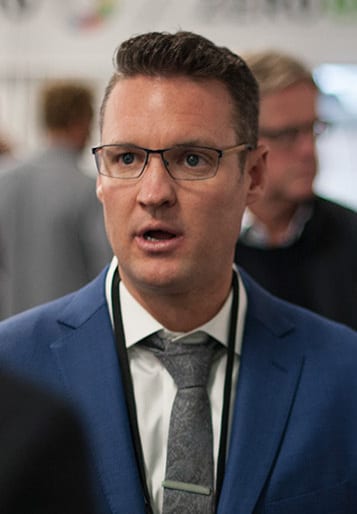
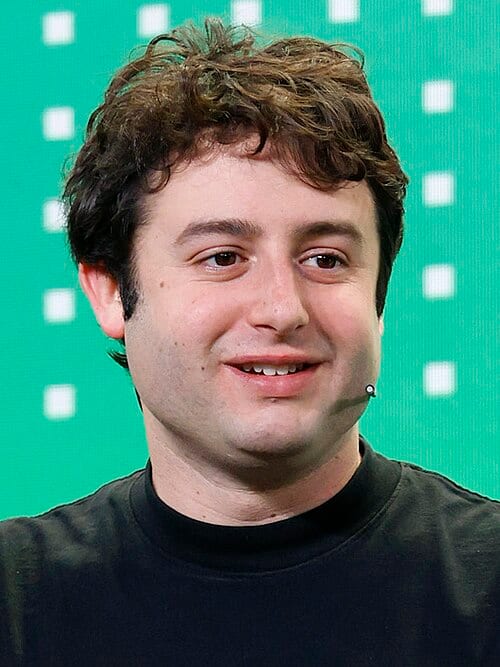
Aneel Bhusri returned as Workday's CEO six days after a $285B AI-driven stock selloff, on a pay package worth $135M in stock tied to five-year targets.
Section 174 R&D expensing explained: the 2022 capitalization rule it reversed, the closed small-business amend window, and the Section 280C catch founders miss.
Trevor Milton was convicted of fraud and sentenced to four years. He never served a day — Trump pardoned him weeks after Nikola's bankruptcy filing.
Mira Murati turned down Meta's reported $1B offer for her AI startup. Zuckerberg then spent up to $1.5B trying to hire her co-founders away instead.
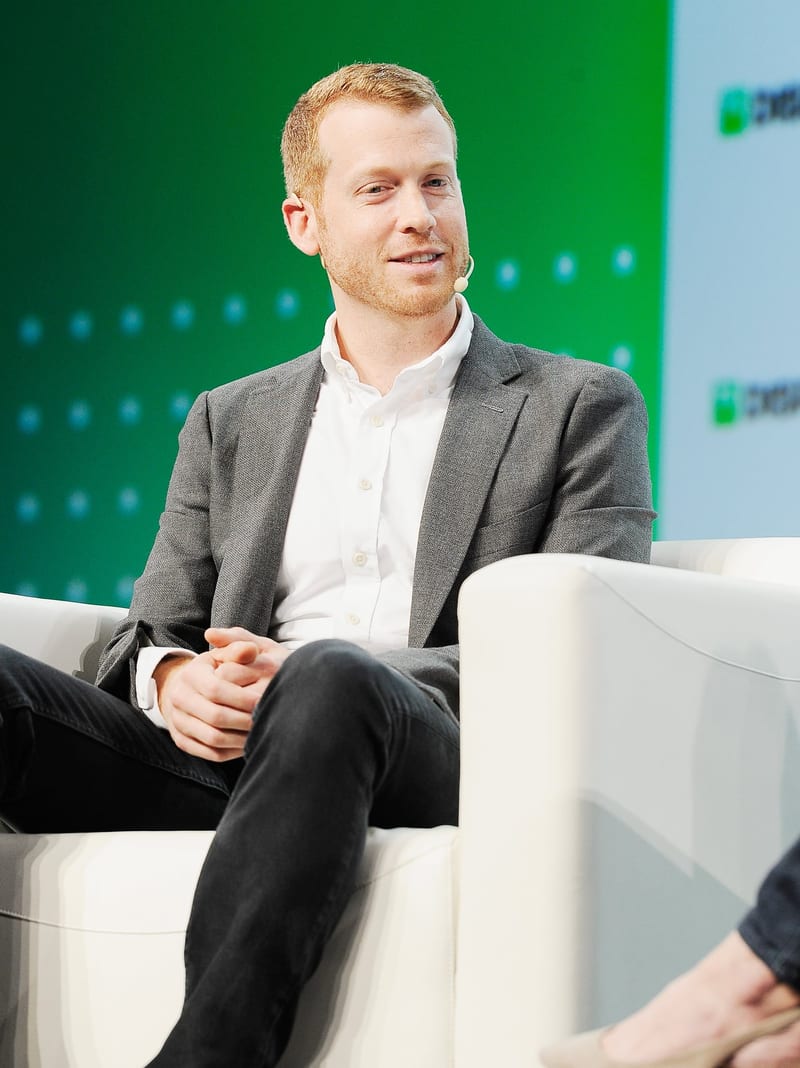
Kyle Vogt resigned from Cruise after a robotaxi scandal. GM later killed the unit entirely — while his new robotics startup was already worth billions.
How 409A valuations actually work: the safe harbors, what triggers a refresh, why underpriced options risk a 20% IRS penalty, and what a valuation costs in 2026.
ISO vs. NSO stock options explained: how each is taxed at exercise and sale, the $100K ISO limit, the AMT trap, and which one your offer letter actually grants.
Rippling accuses rival Deel of planting a paid spy inside its ranks. A federal judge let Parker Conrad's racketeering case against Deel proceed toward trial.
Aravind Srinivas built Perplexity by bidding for things he couldn't afford — TikTok, then Chrome — while newsrooms sue over how it works.
Emmett Shear spent two days as OpenAI's interim CEO during the Sam Altman crisis. In 2025 he founded Softmax to build AI alignment a different way entirely.
Whitney Wolfe Herd stepped down as Bumble's CEO in 2024. She returned in 2025, cut a third of the company, and is now retiring the swipe itself.
23andMe fell from a $6 billion market cap to Chapter 11. Anne Wojcicki won it back at a bankruptcy auction for $305 million through a nonprofit she formed.
Regulators killed Adobe's $20B bid for Figma in 2023. Nineteen months later, Dylan Field's IPO valued the company at $68 billion.
Founder-led sales isn't a phase to rush through — it's how you learn what customers actually pay for. How to run it deliberately and know when to hand it off.
Five franchise books for first-time buyers, covering whether franchising fits you, evaluating a brand, running the real numbers and reading the FDD.
A 2026 guide to founder equity splits and vesting schedules, covering how to split equity fairly, how vesting works and how to read your cap table.
QSBS explained: how Section 1202 lets founders exclude up to $15M in startup gains, what changed in 2025 and where the exclusion stops applying.
A founder's guide to quarterly estimated taxes in 2026, covering who has to pay, when, how much and the safe harbor rules that help you avoid penalties.
A comparison of the Solo 401(k) and SEP IRA for self-employed founders, explaining how each account's contribution buckets work and the math behind choosing.
What startup founders should pay themselves in 2026, using Kruze Consulting payroll data and a Pilot survey of 1,844 founders by stage and funding source.
Growth rate, CAC payback, and NRR by ARR stage, sourced from SaaS Capital's 2025 growth survey and High Alpha's 800-company benchmarks report.
Mercury or a traditional bank? Ramp or Brex? QuickBooks or Xero? A stage-by-stage guide to the finance stack founders actually run their startup on in 2026.
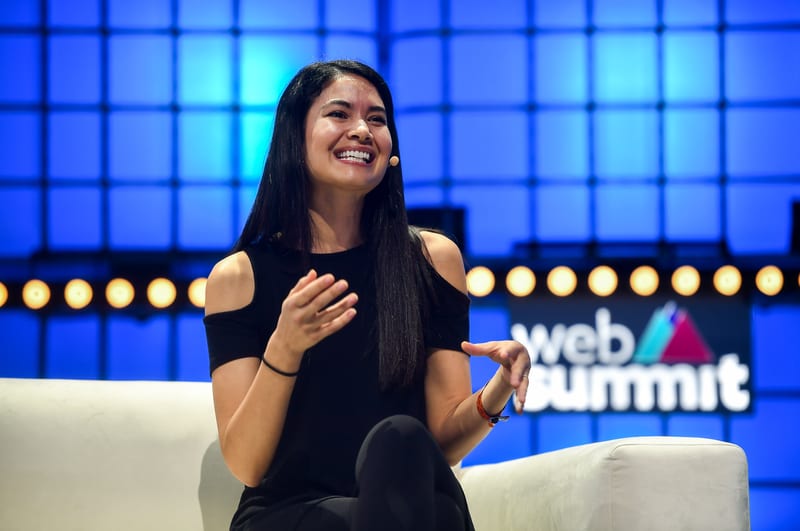
Melanie Perkins pitched Canva to over 100 investors before one said yes. It's now valued at $42 billion with 240 million monthly users.
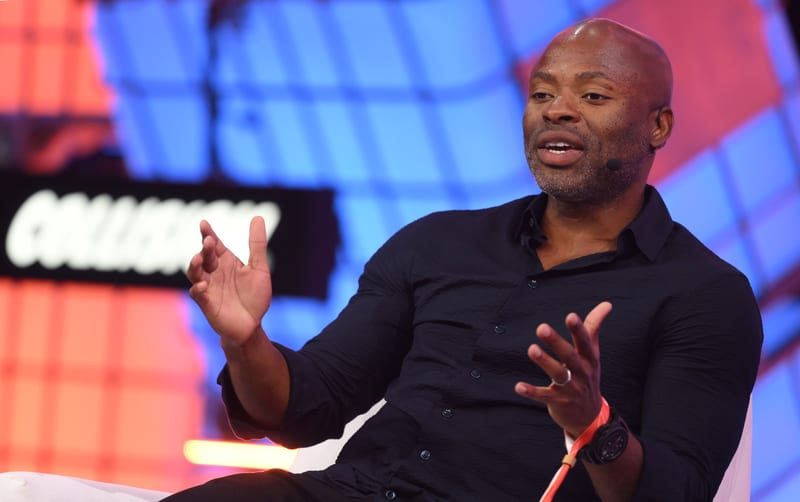
Tope Awotona bootstrapped Calendly with his own savings for years before taking a $350 million investment at a $3 billion valuation in 2021.
How Tobi Lütke turned the Snowdevil snowboard shop into Shopify and kept giving up the part that looked like the business for the layer underneath it.
How Eric Yuan spent fourteen years at WebEx and Cisco before leaving in 2011 to build Zoom, and why that incumbent experience mattered more than the pandemic.
Intercom co-founder Des Traynor spent over a decade publishing product doctrine. When ChatGPT landed, Intercom followed it and built Fin, an AI support agent.
How Payal Kadakia failed twice, with Classtivity and Passport, before the way users behaved on her product shaped its third version, ClassPass.
Kathryn Petralia co-founded Kabbage in Atlanta in 2009 and built an automated lending engine, which American Express bought without the loans.
Rand Fishkin raised venture money for Moz and took outside capital again for his second company, but this time he rewrote the investor contract.
How Klarna co-founder Sebastian Siemiatkowski built a business criticizing credit card debt, and why Klarna's fastest-growing product in 2026 charges interest.
Most 'best self-employed jobs' lists are guesses. This one is ranked by real BLS median wage data, from bookkeeping to financial advising.
Nicolas Julia raised $680 million for Sorare, the fantasy football game with tradable player cards, and how the company adapted when its premise changed.
Seven productivity books for entrepreneurs, including Cal Newport's Deep Work, that tackle context-switching, priority creep, procrastination and systems.
Most sales books assume you already have a sales team. These 6 don't, covering first deals, better discovery and building an outbound pipeline.
LTV, CAC, and the 3:1 ratio explained for startup founders — with real formulas, benchmarks by business model, and a practical playbook for improving them.
Five pricing and finance books for founders beyond Profit First, covering what to charge, which clients to keep and how to actually read your numbers.
The startup valuation methods that matter in 2026, before and after revenue, plus the VC math behind term sheets and how valuation drives dilution.
The financial benchmarks, legal steps, and transition plan every founder needs before quitting their day job. A practical guide for 2026.
How to start a consulting business in 2026, from choosing a narrow niche and pricing at a premium to landing clients and building a repeatable pipeline.
How to build a startup pitch deck that gets funded in 2026, including the 10 slides that matter and how to frame your deck as an investment thesis.
A complete guide to starting a paid newsletter business in 2026 on platforms like Substack and beehiiv, and why owning your email list matters.
A step-by-step guide to building a micro-SaaS in 2026, with or without coding experience, from finding a niche problem worth solving to recurring revenue.
LLC vs. S-Corp explained: when an S-Corp tax election can cut self-employment tax for your LLC, and how founders should run the numbers.
Pickleland founder Alejandro Rioja is building Courtlines, an AI-first club operating system for pickleball, tennis and other court-sport facilities.
A 2026 founder's playbook for getting your first 100 customers through manual, unscalable work, and why 100 is the right first goal for a startup.
Pickleland founder Alejandro Rioja built The Court Scout, a pickleball, padel, tennis and badminton court directory that AI agents re-check weekly.